Orange Wine vs Rosé: What's Actually the Difference?
They're mirror images: rosé is red grapes made like a white, orange is white grapes made like a red. The comparison, settled.
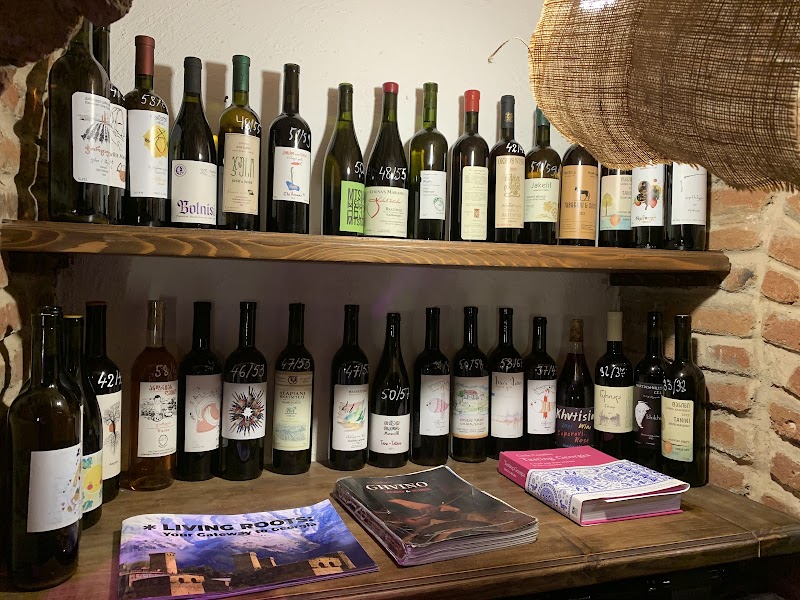
Orange wine and rosé are opposites, not cousins. Rosé is made from red grapes with almost no skin contact — the juice is pulled off the skins within hours, keeping it pale and light. Orange wine is made from white grapes with extended skin contact — days to months — extracting color, tannin, and grip. One removes the skins' influence; the other maximizes it.
The side-by-side: rosé is red grapes, hours on skins, pale pink, low tannin, chilled hard, built for aperitifs and afternoons. Orange is white grapes, days-to-months on skins, gold to amber, real tannic grip, served slightly warmer, built for the table — spice, umami, aged cheese, food that fights back.
They taste nothing alike. Good rosé is about freshness: strawberries, citrus, a saline snap. Orange wine is about texture and savor: black tea, dried apricot, walnut, a grippy finish closer to a light red than to any white. If rosé is a white wine wearing pink, orange wine is a red wine built from white grapes.
Which should you order? Rosé when you want easy refreshment and no argument. Orange when the food is loud — Korean, Sichuan, Middle Eastern, funky cheese — or when you want the wine to be the interesting thing at the table. A light chill suits both, but bury the rosé in ice and give the orange ten minutes out of the fridge.
One more distinction worth knowing: rosé is a style any winery can make; orange wine, while ancient — Georgia's qvevri tradition goes back thousands of years — is in practice a flag of the natural wine world. If a list has three orange wines on it, you're probably in the right kind of bar. We map those bars in 100+ cities.
What Is Natural Wine? (And How We Prove a Bar Pours It)
Natural wine in one paragraph, why there's no legal definition in most places, and the evidence we need before we call a bar, restaurant or shop natural.
Pét-Nat, Orange Wine, Skin Contact: A Glossary in Plain Words
The words you'll meet on a natural-wine list, each in a sentence or two: pét-nat, orange wine, skin contact, zero-zero, glou-glou, brett, mousiness and more.
The Beginner's Case: 10 Natural Wines to Start With
Ten bottles that teach you the whole spectrum — from juicy Gamay to Georgian amber — and the producers to look for on any list.
Want to discover the bars we're talking about?
Explore barsNewsletter
Get the next crawl
New proven places, events and wine fairs. About twice a month.