What is Natural Wine? A No-BS Guide
Natural wine explained without the pretension. What it is, what it isn't, and why it matters.
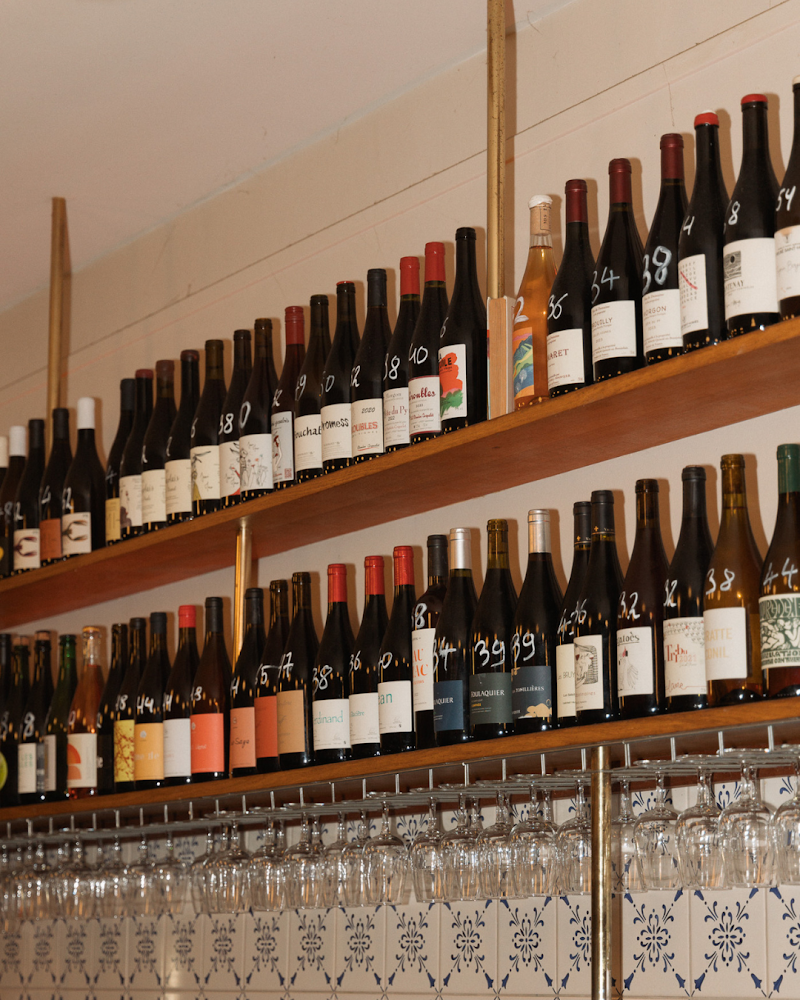
Natural wine is, at its core, wine made with minimal intervention. Grapes are farmed organically or biodynamically, fermented with native yeasts, and bottled with little to no added sulfites.
There's no legal definition in most places (France's voluntary Vin Méthode Nature label, created in 2020, is the closest thing), but the ethos is simple: let the grape and the land speak. No commercial yeasts, no added enzymes, no mega purple, no reverse osmosis.
The result? Wines that taste alive. Sometimes funky, sometimes challenging, always interesting. They can be cloudy, fizzy, or smell like a farmyard — and that's the point.
Not every natural wine is great. Not every conventional wine is bad. But natural wine represents a philosophy: transparency in what you drink, respect for the land, and a rejection of industrial winemaking.
If you're new to natural wine, start with a glou-glou — something light, fruity, and easy to drink. A chilled Gamay from Beaujolais, a pét-nat from the Loire, or a skin-contact white from Friuli. Then go deeper.
What Is Natural Wine? (And How We Prove a Bar Pours It)
Natural wine in one paragraph, why there's no legal definition in most places, and the evidence we need before we call a bar, restaurant or shop natural.
Pét-Nat, Orange Wine, Skin Contact: A Glossary in Plain Words
The words you'll meet on a natural-wine list, each in a sentence or two: pét-nat, orange wine, skin contact, zero-zero, glou-glou, brett, mousiness and more.
How to Find Natural Wine When You Travel
A practical method for any city: where to look, how to tell a real natural-wine list from a label on the door, the words to ask for, and what to check before you go.
Want to discover the bars we're talking about?
Explore barsNewsletter
Get the next crawl
New proven places, events and wine fairs. About twice a month.