How to Order Natural Wine Without Looking Like an Idiot
Walking into a natural wine bar for the first time? Here's exactly what to say (and what not to say).
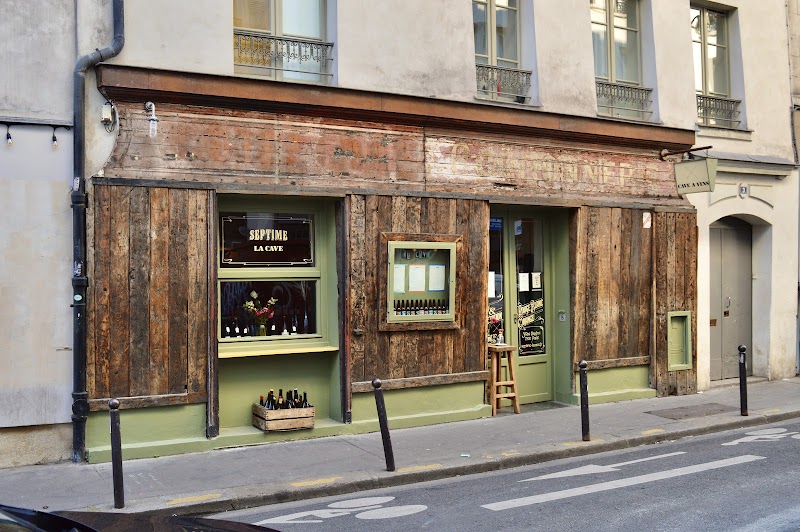
Natural wine bars can feel intimidating. The staff is cooler than you. The menu has no recognizable grape names. Here's your survival guide.
Don't say: "What's your best red?" This is too vague and signals you don't know what you're after.
Do say: "I usually drink X, but I'm open to something different." This gives the sommelier a starting point and shows you're game.
Better yet, describe what you want in texture terms: "something light and crunchy" (they'll pour a chilled Gamay or Trousseau), "something rich and textured" (you'll get an orange wine or aged Chenin), "something funky" (buckle up).
The magic words: "What are you excited about right now?" Sommeliers at natural wine bars are passionate. They want to share. This question unlocks their best recommendations.
By-the-glass is your friend. Order three glasses instead of one bottle. You'll discover more and risk less.
If something smells off to you, it might be intentional (reduction, volatile acidity, brett). Give it 10 minutes in the glass. If it still bothers you, say so — good bars will pour you something else.
Final tip: ask about the producer. Natural wine is about people and places, not brands. The story behind the bottle is half the experience.
What Is Natural Wine? (And How We Prove a Bar Pours It)
Natural wine in one paragraph, why there's no legal definition in most places, and the evidence we need before we call a bar, restaurant or shop natural.
Natural Wine in Montréal: Where to Drink It, With Proof
Montréal's natural-wine bars, restaurants and bottle shops, listed from our evidence file with the proof for each and the date we checked. Updated automatically.
Natural Wine in New York: Where to Drink It, With Proof
New York's natural-wine bars, restaurants and shops from our evidence file: the proof for each, the neighbourhoods with the most, and the date we checked. Updated automatically.
Want to discover the bars we're talking about?
Explore barsNewsletter
Get the next crawl
New proven places, events and wine fairs. About twice a month.