Mexico City's Natural Wine Scene (2026)
Where natural wine lives in Mexico City: inside restaurants with serious kitchens, next to mezcal and Baja bottles, across Roma Norte, Condesa, and Juárez.
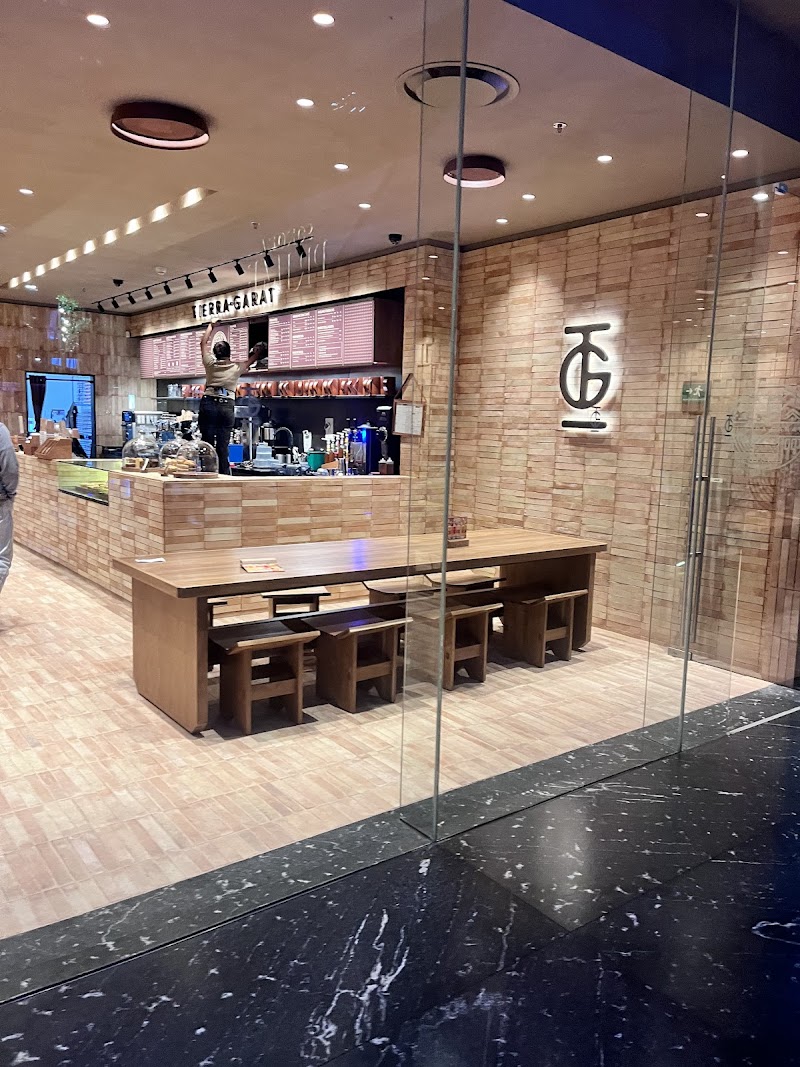
Mexico City's natural wine scene is young and still growing. The domestic natural wine industry is small — most bottles are imported from France, Italy, and Spain, with more and more coming from Baja California — and yet CDMX has built one of the most exciting drinking cultures anywhere, because the city's restaurants got there first. Here, natural wine arrived through the kitchen, not the wine bar.
That's the key to understanding it. In Paris or Copenhagen, the natural wine bar is its own institution. In Mexico City, the best low-intervention lists tend to live inside restaurants with serious cooking, alongside mezcal, pulque, and Mexican wine from Valle de Guadalupe. You don't go out for natural wine; you go out for dinner and the wine happens to be alive.
Roma Norte — the center of gravity
Start in Roma Norte. Rosetta, chef Elena Reygadas's restaurant in a Roma townhouse, is the fine-dining anchor of the neighborhood, and the press coverage we cite notes plenty of natural options by the glass and bottle. One correction to older guides: Amaya, long the room most associated with natural wine in the city, has closed.
Condesa and Juárez — the after-hours half
Condesa is the leafier, later-night counterpart. La Clandestina is the mezcalería to visit when you want to understand what natural wine drinkers here drink when they aren't drinking wine — the zero-intervention ethos runs through Mexican agave spirits just as strongly. In Juárez, Cicatriz is the daytime-to-evening spot: a café-bar with one of the city's early natural wine programs.
What to order, and when to come
Ask for something chillable and juicy — CDMX's altitude and warmth make heavy reds a chore and light glou-glou a joy. Skin-contact whites work beautifully with the food: the tannin and umami stand up to salsa, lime, and chile in a way that crisp whites can't. And if a list offers a Baja bottle, take it — Valle de Guadalupe is producing genuinely interesting low-intervention wine.
Best timing: February, when Zona Maco brings the international art crowd and the whole city is switched on — we track it on the funk calendar. Note that our CDMX map is still thin compared to our European cities; if you run a natural wine spot here or know one we're missing, tell us and we'll check it.
For the current list with proof and last-checked dates, see Natural wine in Mexico City and the Mexico City guide, or the Mexico City top 10.
Natural Wine in Montréal: Where to Drink It, With Proof
Montréal's natural-wine bars, restaurants and bottle shops, listed from our evidence file with the proof for each and the date we checked. Updated automatically.
Natural Wine in New York: Where to Drink It, With Proof
New York's natural-wine bars, restaurants and shops from our evidence file: the proof for each, the neighbourhoods with the most, and the date we checked. Updated automatically.
Natural Wine in Paris: Where to Drink It, With Proof
Paris's natural-wine bars, caves à manger and bottle shops from our evidence file, with the proof for each and the date we checked. Updated automatically.
Want to discover the bars we're talking about?
Explore barsNewsletter
Get the next crawl
New proven places, events and wine fairs. About twice a month.